First Rome Highlights
Link the historic center’s major piazzas, fountains and ancient landmarks in an orientation designed for a first visit.
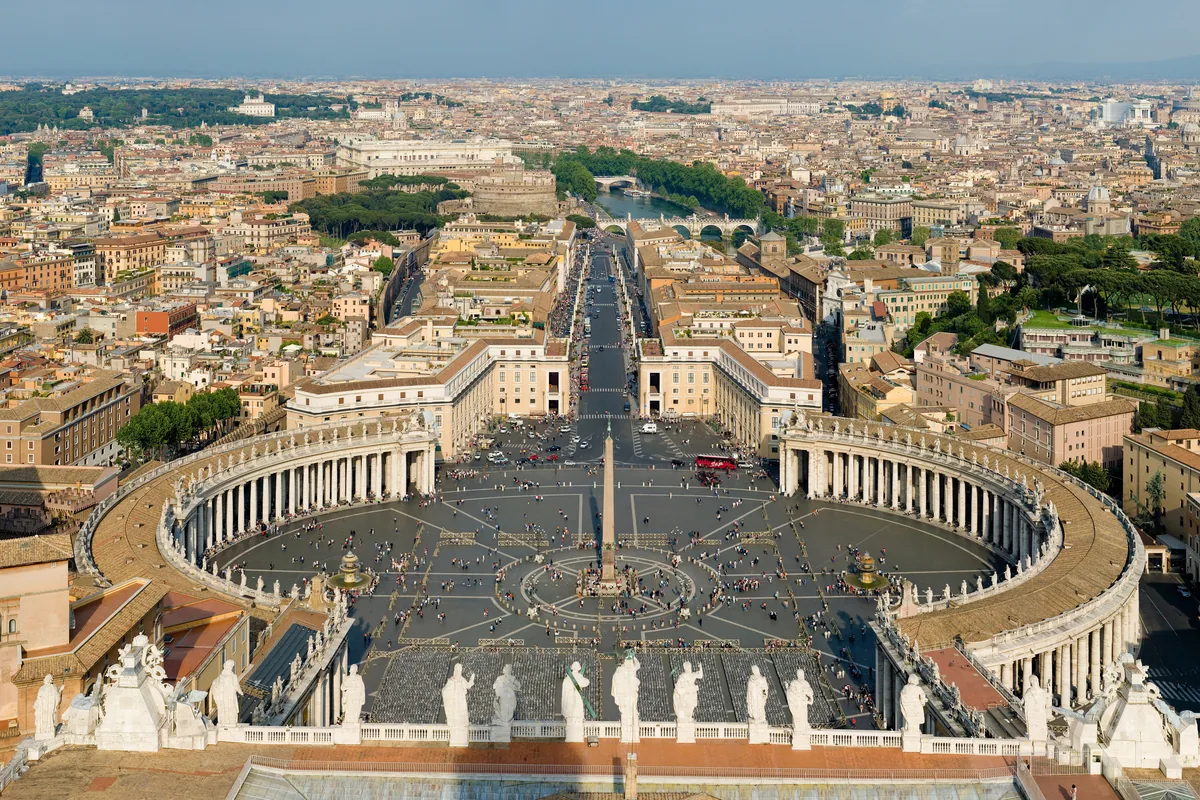
Create a personal route through ancient sites, museums, piazzas and neighborhoods without forcing your group into a fixed one-size-fits-all itinerary.
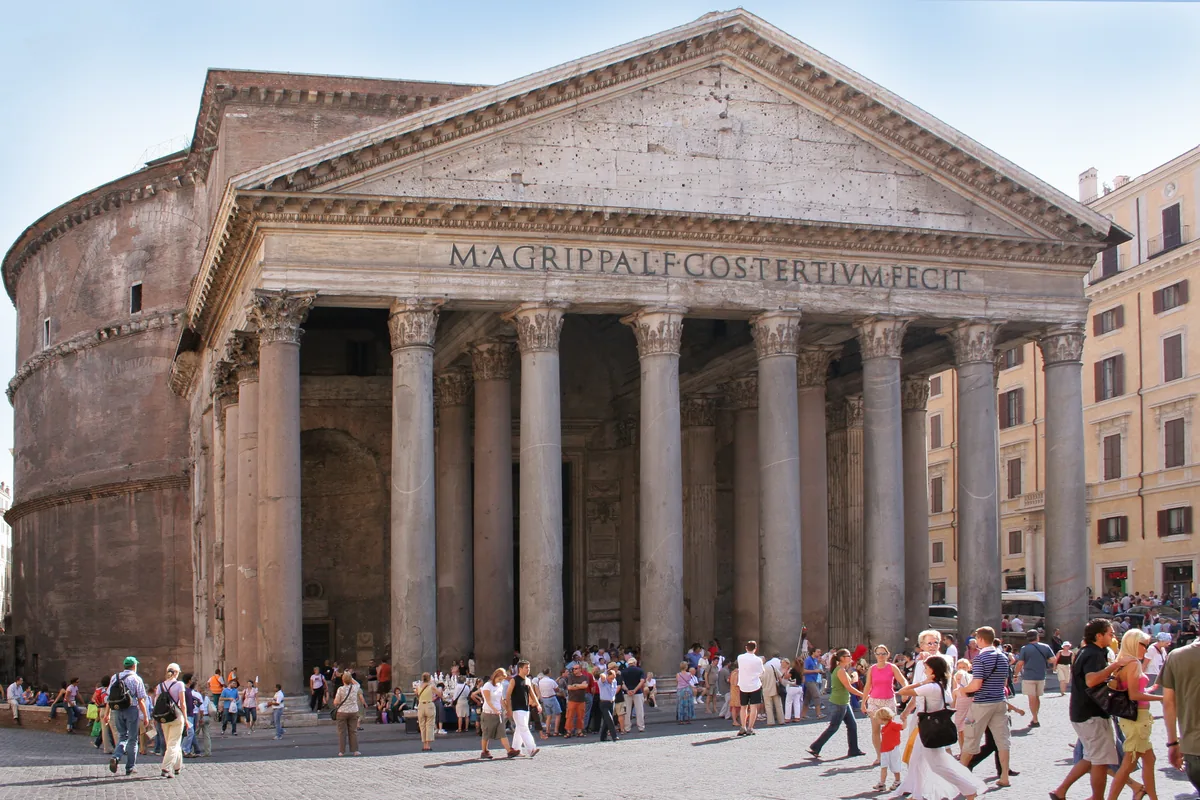
A private route can connect major landmarks with the streets between them.
A private Rome tour works best when the guide understands why you are visiting. A first-time couple may want the Colosseum, Pantheon, Trevi Fountain and a few quiet streets in one carefully paced introduction. A family may need shorter explanations, food stops and flexible breaks. An art enthusiast may prefer a concentrated Vatican or Baroque route instead of covering the whole city.
Customization does not mean promising that every landmark can fit into a few hours. It means choosing a logical area, setting a realistic pace and adjusting the explanation to the group. The proposal should make clear which sites require tickets, what transport is needed and where the tour begins and ends.
Tell us about your ideal Rome dayUse these themes as starting points for a private itinerary. The final route is shaped around your available time, interests, mobility needs and current site access.
Link the historic center’s major piazzas, fountains and ancient landmarks in an orientation designed for a first visit.
Focus on the Colosseum, Forum and Palatine with more time for architecture, politics and daily life.
Build a selective museum route around the group’s interests and a manageable pace.
Use engaging stories, breaks and age-appropriate priorities rather than a compressed adult itinerary.
Connect the Pantheon, Piazza Navona, Trevi Fountain and surrounding streets through art and urban history.
Combine a known landmark with Trastevere or another area suited to the guide’s genuine local expertise.
Include dates, guest numbers, ages, interests, previous Rome visits and mobility considerations.
The guide suggests a route, approximate duration, meeting point, inclusions and any ticket requirements.
Agree on the final price, payment process, cancellation terms and contact details before the day.
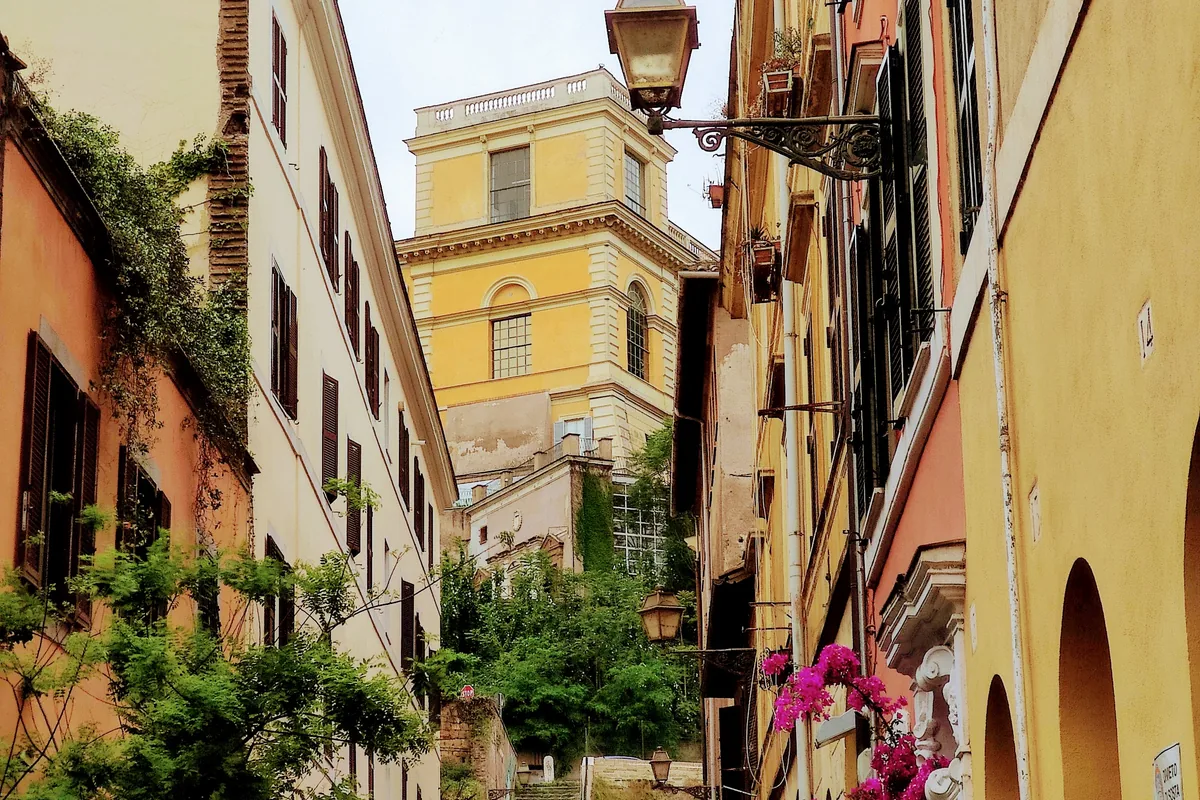
Neighborhood routes need local knowledge, appropriate timing and respect for residents.
Private tours can be useful when travelers have different walking speeds, limited time or a specific subject they want to explore. They also allow questions and pauses without the pressure of keeping up with a larger group. The format is not automatically better for everyone; travelers who value a lower price and social atmosphere may prefer a small-group tour.
Ask the guide to explain what can be adapted and what cannot. Museum entry times, site rules, street conditions and opening arrangements still shape the day, even on a private itinerary.
Yes. A private format can be planned around your interests, available time, walking pace and group needs. Use the inquiry form to describe your preferred landmarks, date, number of guests and any accessibility considerations.
Many Rome experiences can be adapted for families by shortening explanations, adding breaks and focusing on age-appropriate stories. Share the children’s ages and practical needs before the tour so the proposed route can be realistic.
Book as early as practical when your dates are fixed, especially for spring, summer, school holidays and weekends. Timed-entry availability can be limited. For a last-minute visit, send an inquiry because alternatives may still be possible.
Some routes can be adjusted, but Rome has cobblestones, steps, uneven surfaces and busy crossings. Describe mobility requirements before booking so the guide can assess route suitability and propose realistic alternatives.
The exact meeting point is sent with the booking confirmation, together with a map link, a recognizable landmark and instructions for arriving early.
Send your dates, group details and must-see places for a realistic private-tour proposal.