Historic center
Classic Rome Walking Tour
Connect the Pantheon, nearby piazzas and historic streets through a clear story of the city.
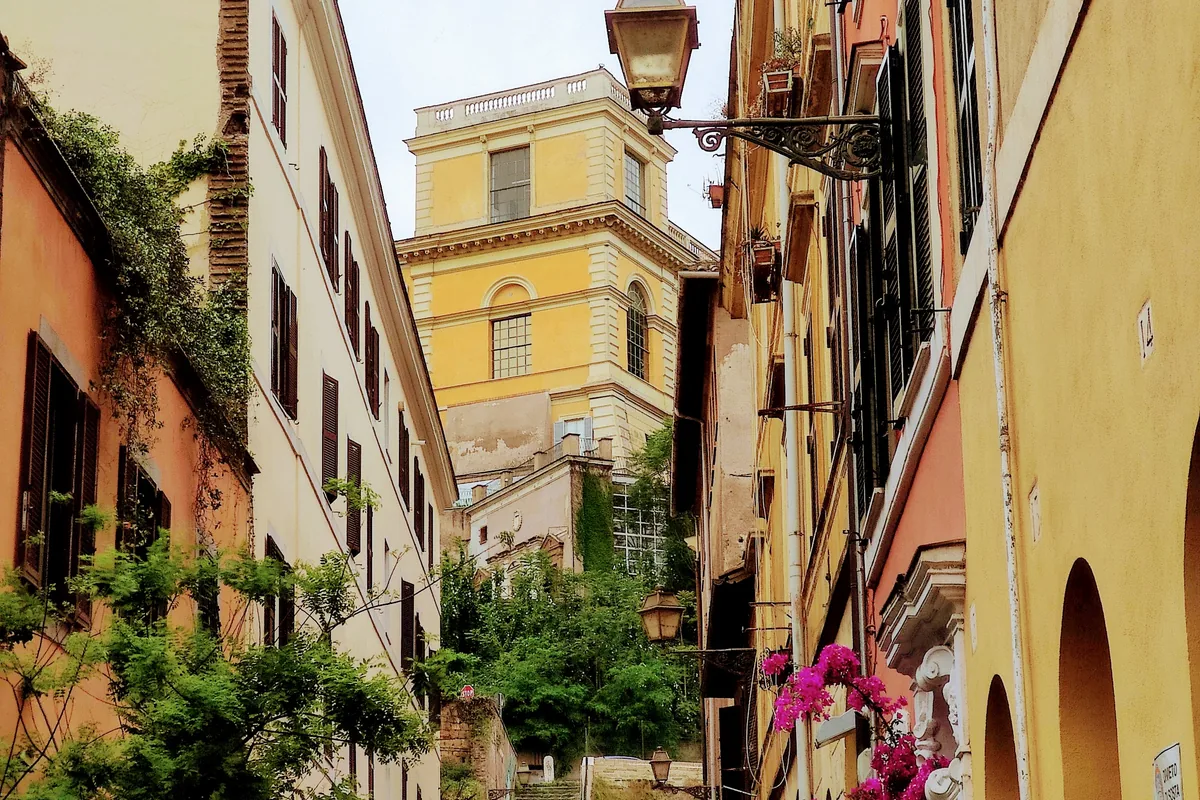
Move at street level between ancient remains, Baroque fountains, lively piazzas and neighborhoods that reveal how Rome fits together.
Choose a classic historic-center route, a Baroque highlights walk or a neighborhood-focused Trastevere experience.
Connect the Pantheon, nearby piazzas and historic streets through a clear story of the city.
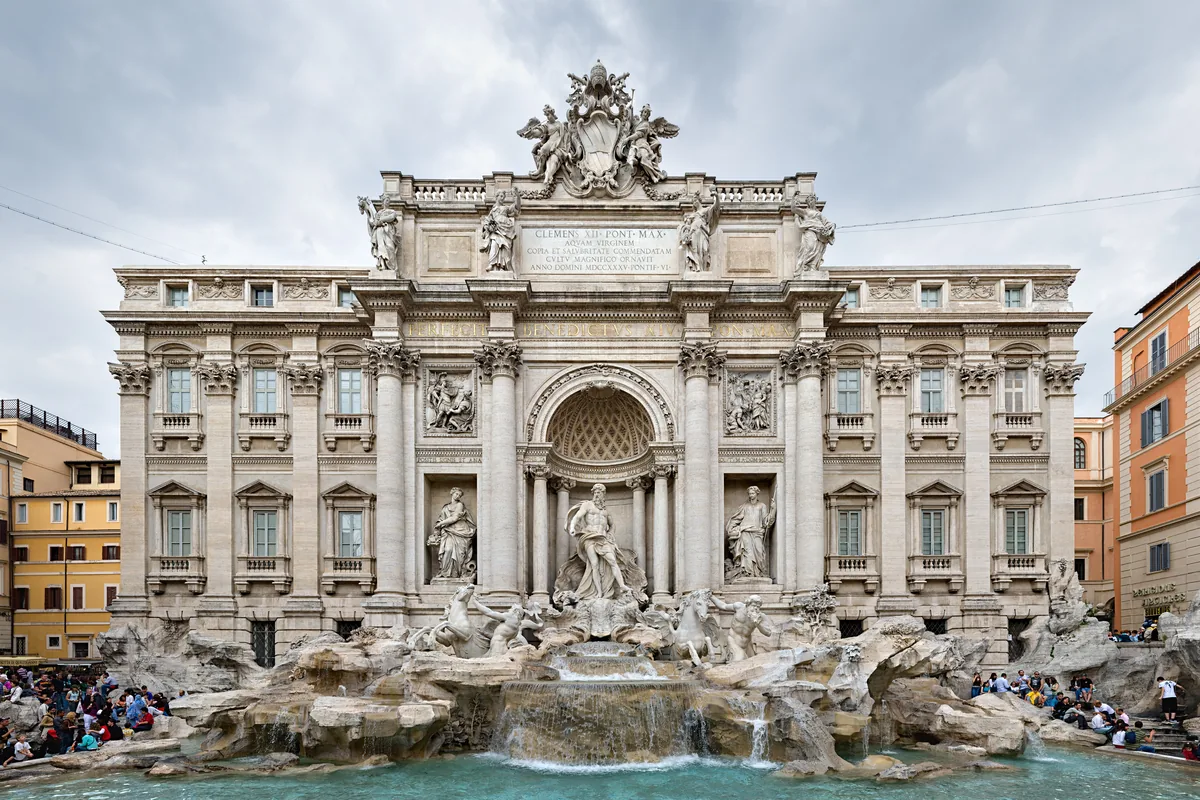
Explore fountains, theatrical urban spaces and the changing city around Rome’s best-known squares.
Discover streets, local history and neighborhood character beyond a simple restaurant recommendation list.
Central Rome is compact enough for meaningful walking connections, but crowds and surfaces affect pace.
Rome’s historic center is not only a collection of isolated sights. Walking reveals how a narrow lane opens into a theatrical piazza, how ancient structures were reused, and how churches, palaces, fountains and everyday streets occupy the same urban layers. A guide can make these transitions part of the story rather than treating the time between landmarks as empty space.
A well-designed route limits backtracking and does not promise too many major stops. It also accounts for fountains, shade, rest opportunities and the group’s walking speed. A private walk can be adjusted more easily, while a small group works well for travelers comfortable with a shared pace.
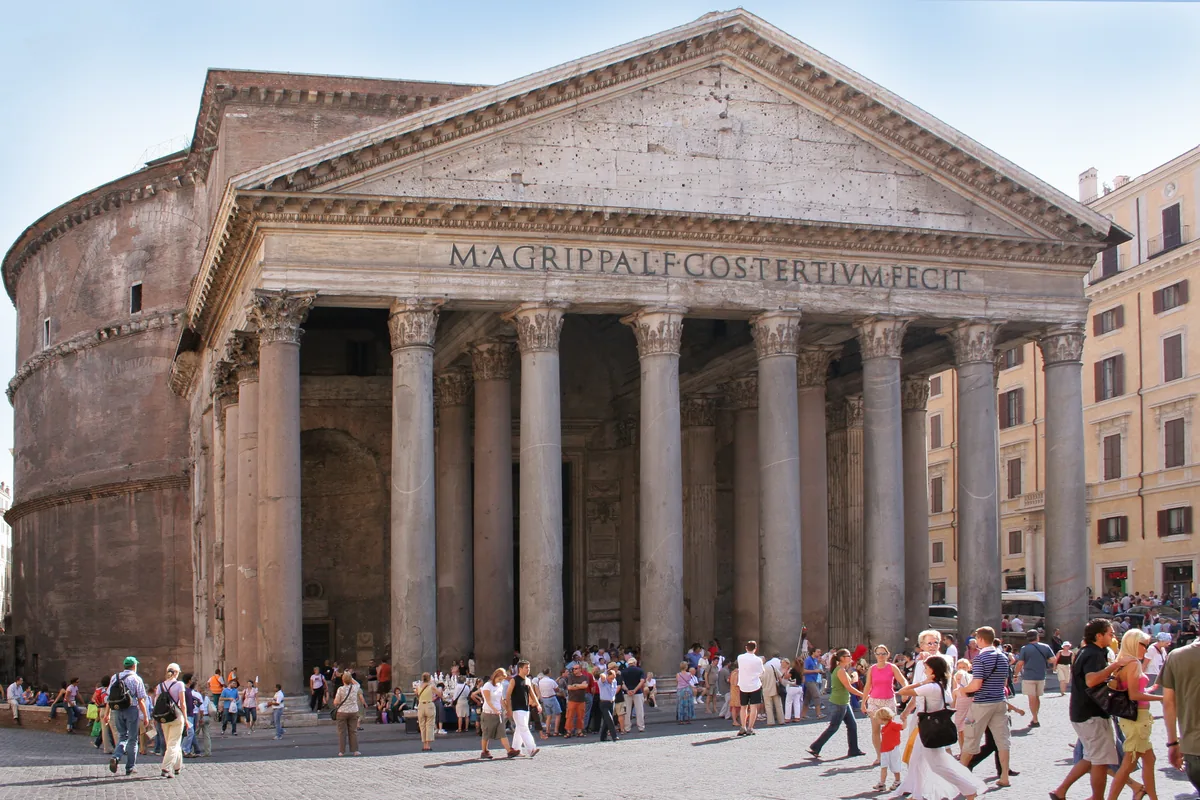
The Pantheon can anchor a broader historic-center route.
Cobblestones, curbs, steps, heat and dense pedestrian areas can make a short map distance feel longer. Comfortable shoes are essential. Travelers with limited mobility should describe their needs before booking so the route can be assessed, adjusted or replaced with a more suitable format.
Morning and evening walks can feel different from midday, especially during warmer months. The guide should confirm the expected distance, terrain, restroom opportunities and whether the route ends near convenient transport.
Accessibility note: never label a route “fully accessible” without personally auditing the actual path and confirming current conditions.
Choose a historic-center orientation that connects major landmarks and helps you navigate later.
Focus on one neighborhood, a particular era or less obvious details around familiar places.
Use a private route when ages, interests or walking speeds vary significantly.
Some routes can be adjusted, but Rome has cobblestones, steps, uneven surfaces and busy crossings. Describe mobility requirements before booking so the guide can assess route suitability and propose realistic alternatives.
Many Rome experiences can be adapted for families by shortening explanations, adding breaks and focusing on age-appropriate stories. Share the children’s ages and practical needs before the tour so the proposed route can be realistic.
Book as early as practical when your dates are fixed, especially for spring, summer, school holidays and weekends. Timed-entry availability can be limited. For a last-minute visit, send an inquiry because alternatives may still be possible.
The exact meeting point is sent with the booking confirmation, together with a map link, a recognizable landmark and instructions for arriving early.
Major sites can change access, routes or opening arrangements. A responsible guide should communicate important changes, suggest a practical alternative when possible and avoid promising access that cannot be controlled.
Share your preferred area, available time and any mobility or pacing needs.