Ancient Rome
Colosseum Guided Tour
Discover the history of the Colosseum and ancient Rome with an experienced local guide.
Explore the Colosseum, Vatican Museums and the historic heart of Rome with knowledgeable local guides.
Start with the landmark that matters most, then choose a private or walking format that fits your schedule. Each option below includes a practical sample duration and starting price to make comparing tours easier.
Discover the history of the Colosseum and ancient Rome with an experienced local guide.
Explore the Vatican Museums, Sistine Chapel and surrounding historic landmarks with a knowledgeable guide.
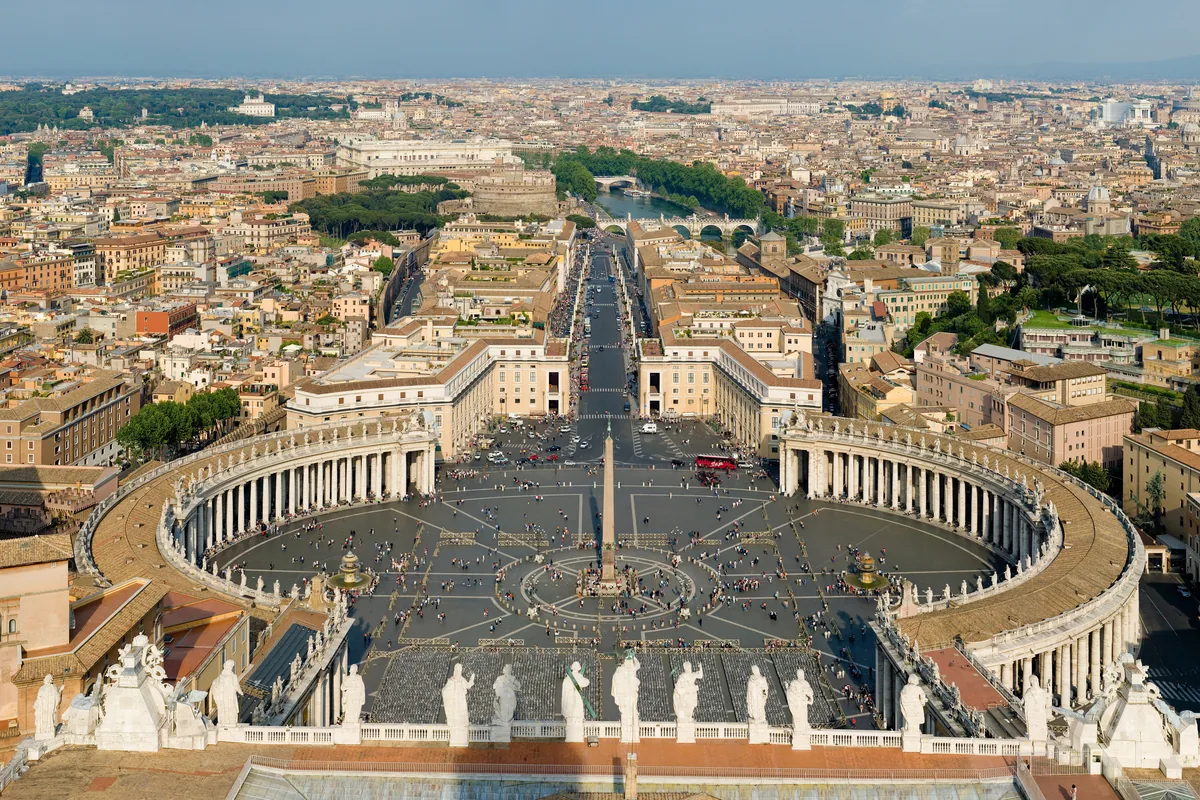
Enjoy a personalized Rome experience designed around your interests, schedule and travel style.
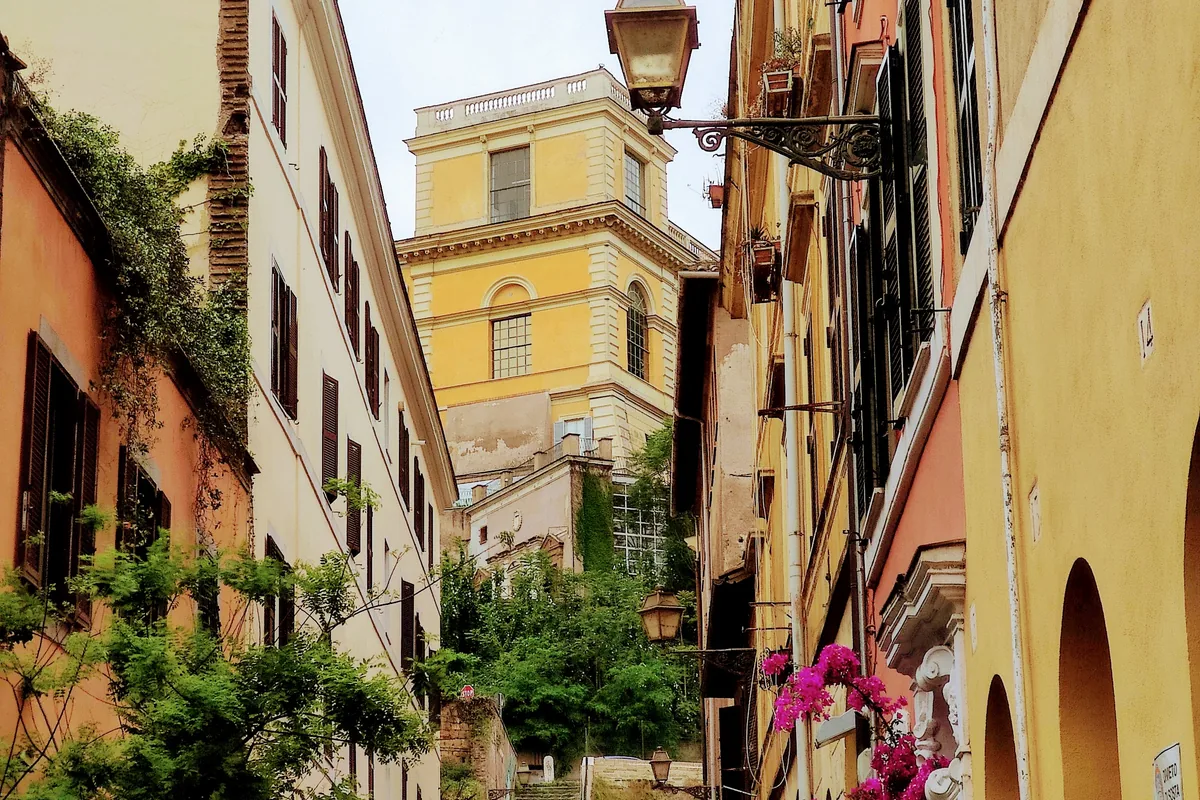
Discover Rome’s historic streets, famous landmarks and hidden corners on foot.
Learn about Rome from guides who know the city’s history, culture and neighborhoods.
Enjoy a more personal experience with fewer travelers.
Learn from knowledgeable guides who can bring Rome’s history to life.
Choose from group, private and customized tours.
Find your tour and contact us directly to plan your visit.
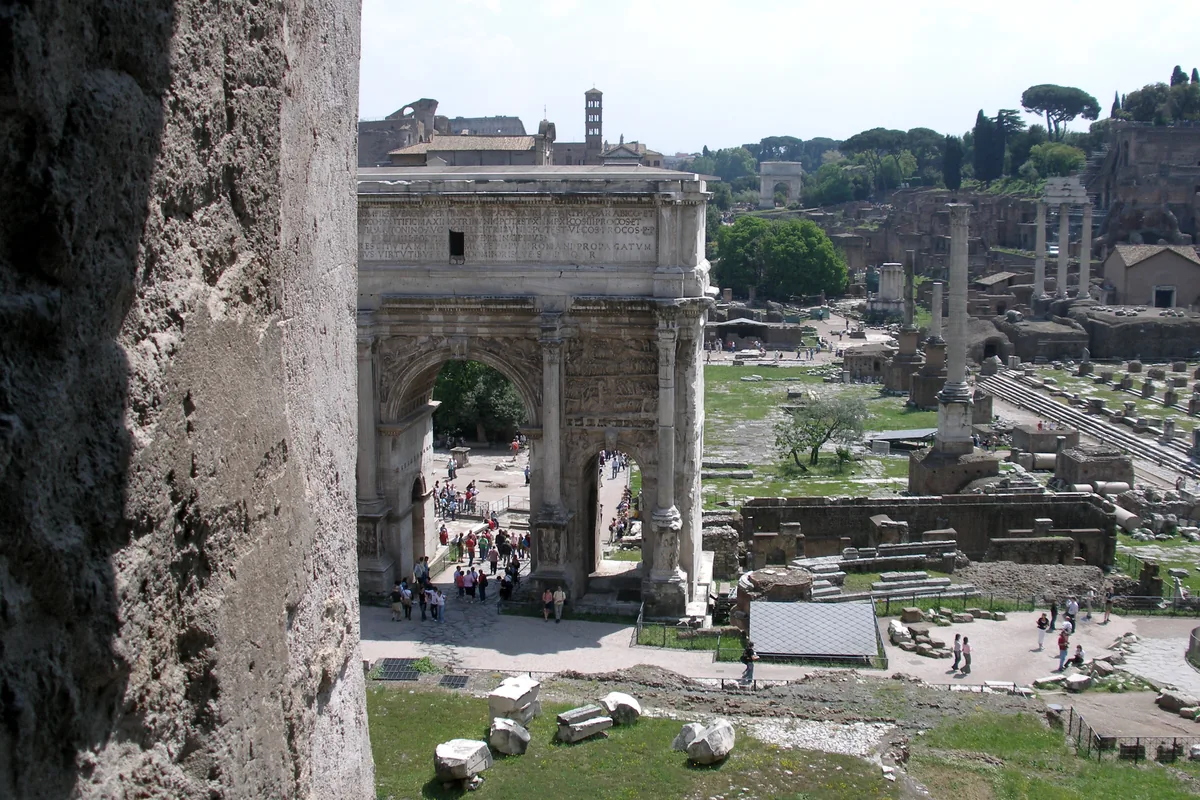
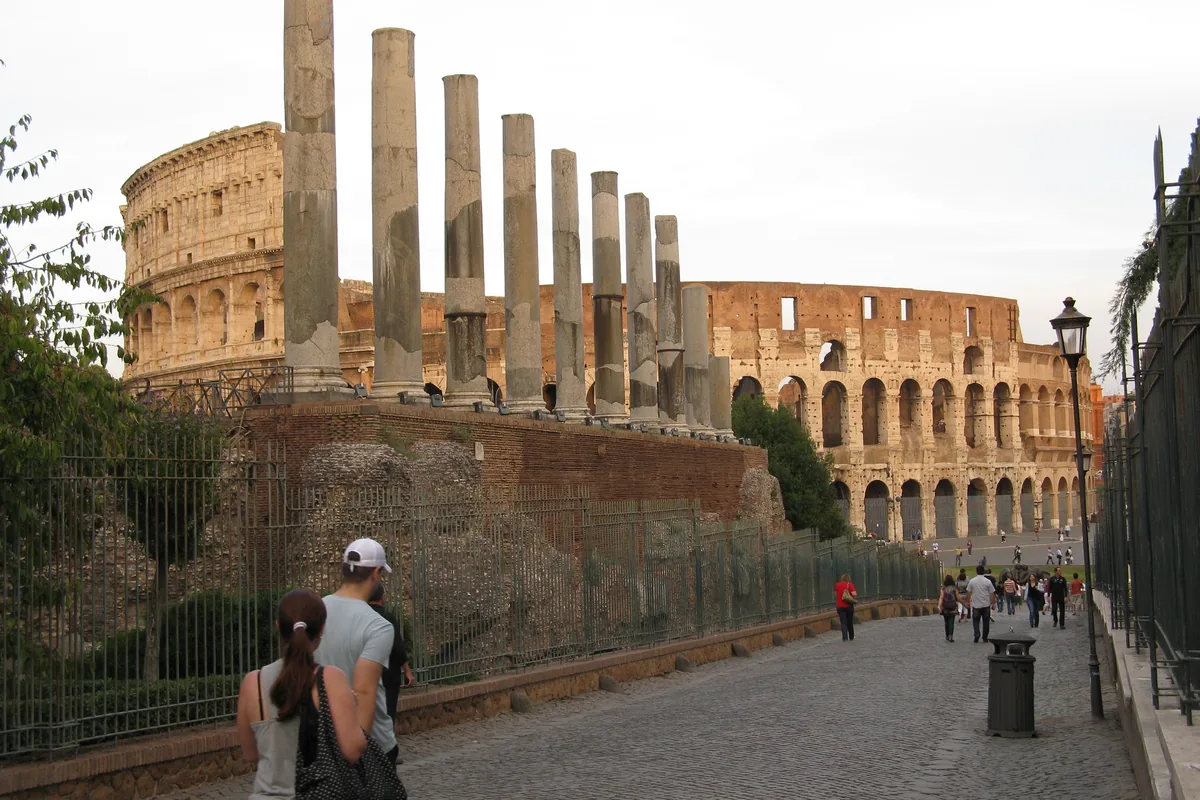
Ancient Rome route: Colosseum, Roman Forum and Palatine Hill.
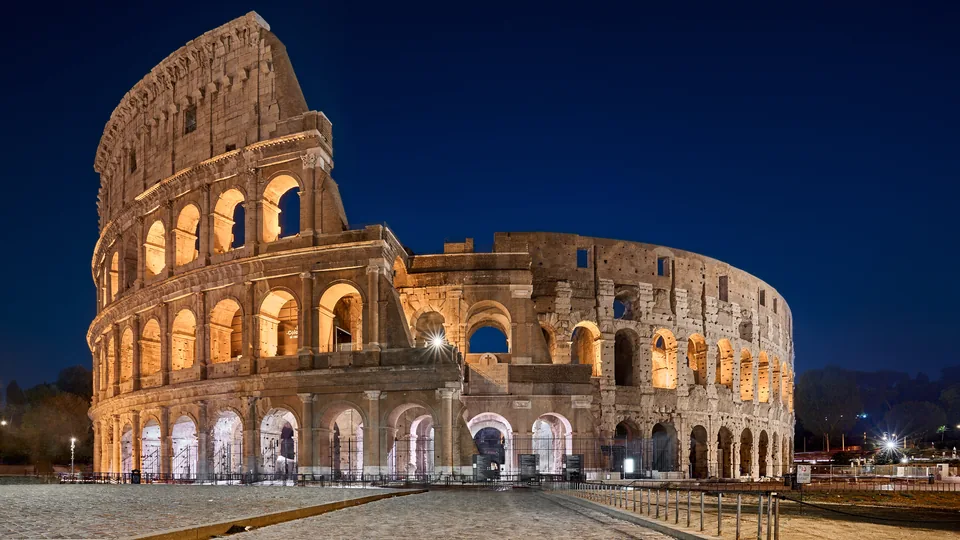
The Colosseum is Rome’s monumental amphitheatre and one of the clearest places to begin understanding the scale, spectacle and social structure of the ancient city. Its surviving arcades, seating levels and arena spaces reveal how a complex public building moved enormous crowds and staged events that carried political as well as popular meaning. Even before entering, visitors can read the changes in stone, brick and restoration that show how the structure evolved over many centuries.
A well-planned Colosseum tour usually makes more sense when it is connected to the surrounding archaeological landscape. The Roman Forum contains temples, basilicas, arches and public spaces that once formed the civic center of Rome. Palatine Hill rises above the Forum and offers another layer of the story through imperial residences, gardens and viewpoints. Seen together, the three areas explain far more than any single monument can on its own.
Inside the Colosseum, the exact route depends on the ticket and current access arrangements. Travelers may see the seating structure, the arena level from above and the exposed substructures that once supported scenery, animals and equipment. A local guide can help identify what is original, what has been rebuilt and why the building became such a durable symbol of Rome. The value of a guided visit is not simply a list of dates: it is the connection between architecture, daily life, power and the physical evidence still visible.
When planning, consider the total walking time, seasonal heat, uneven surfaces, security procedures and the energy needed for the Forum and Palatine after the amphitheatre. Timed-entry rules and available areas can change, so confirm current official information and the exact tour inclusions before your date. Comfortable shoes, water where permitted and a realistic pace can make the experience much more rewarding. It also helps to decide whether your priority is architecture, archaeology, photography or the broader political story, because that choice shapes the pace.
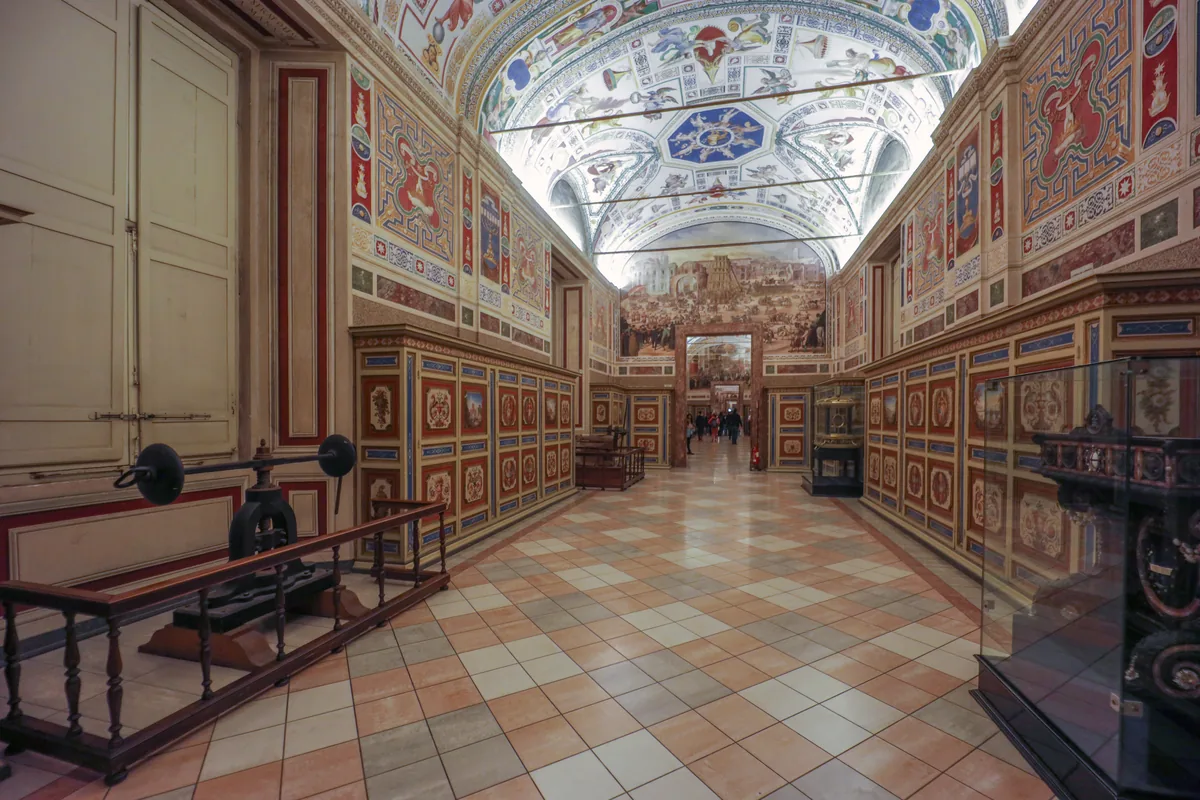
Explore our Colosseum ToursA museum route can be adapted to time, interests and the day’s access conditions.
The Vatican Museums contain a vast collection built across centuries, so a useful visit is less about trying to see every room and more about choosing a coherent route. A guide can connect selected sculpture, maps, tapestries, decorated galleries and papal spaces, giving context to the works rather than turning the visit into a race through names and dates.
The Sistine Chapel is central to many itineraries because of Michelangelo’s ceiling and Last Judgment, as well as the chapel’s continuing ceremonial importance. The best preparation is to understand the principal scenes and artistic decisions before entering, where quiet rules and crowd movement can limit long explanations. St. Peter’s Basilica is nearby and may be included or discussed when the chosen itinerary, access and opening conditions allow.
Before visiting, travelers should confirm the current dress expectations, security process, meeting point and ticket arrangements. Comfortable footwear matters because the route can involve extended standing and walking. Families, art enthusiasts and first-time visitors may each benefit from a different pace and emphasis, which is why a private Vatican tour can be especially useful when the group has specific priorities.
Explore our Vatican ToursUse these landmarks and neighborhoods to build a balanced Rome itinerary, then connect them through a guided tour or a carefully paced day on foot.
Plan a focused route through one of the world’s major museum complexes.
Explore related tour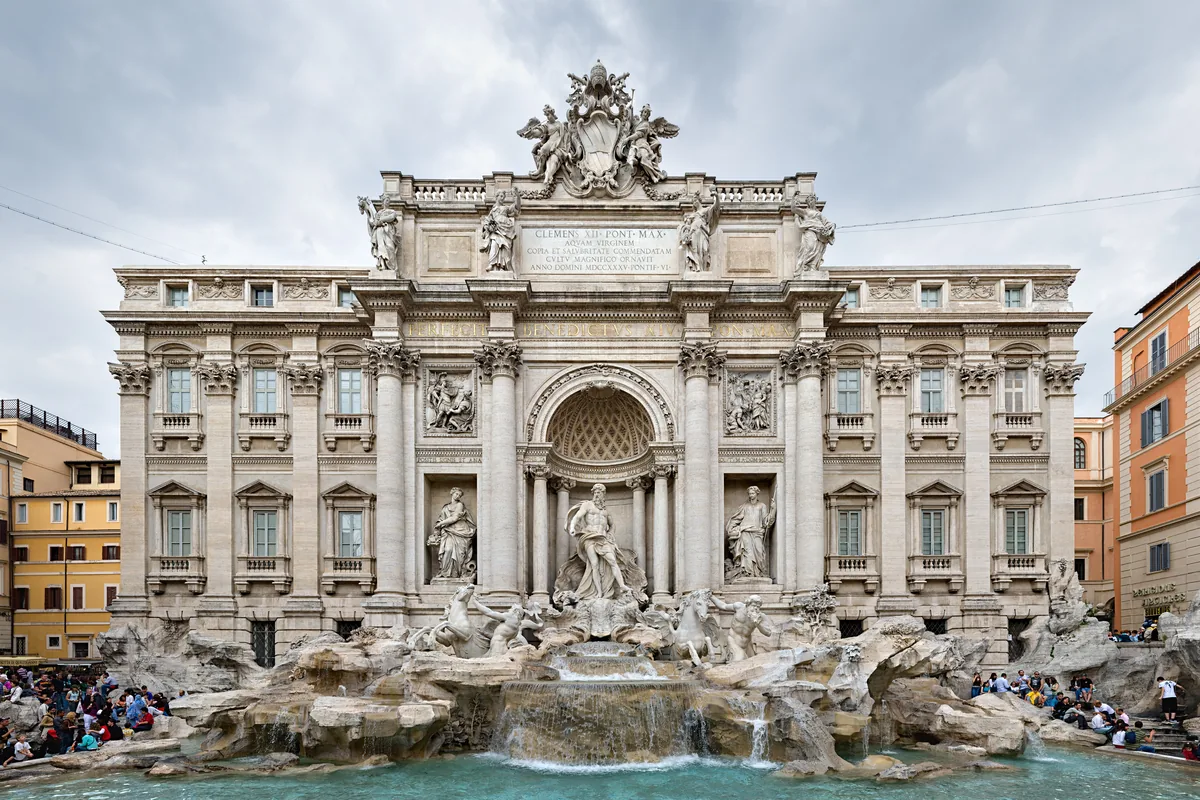
See the fountain as part of a walk through Rome’s historic center.
Explore related tour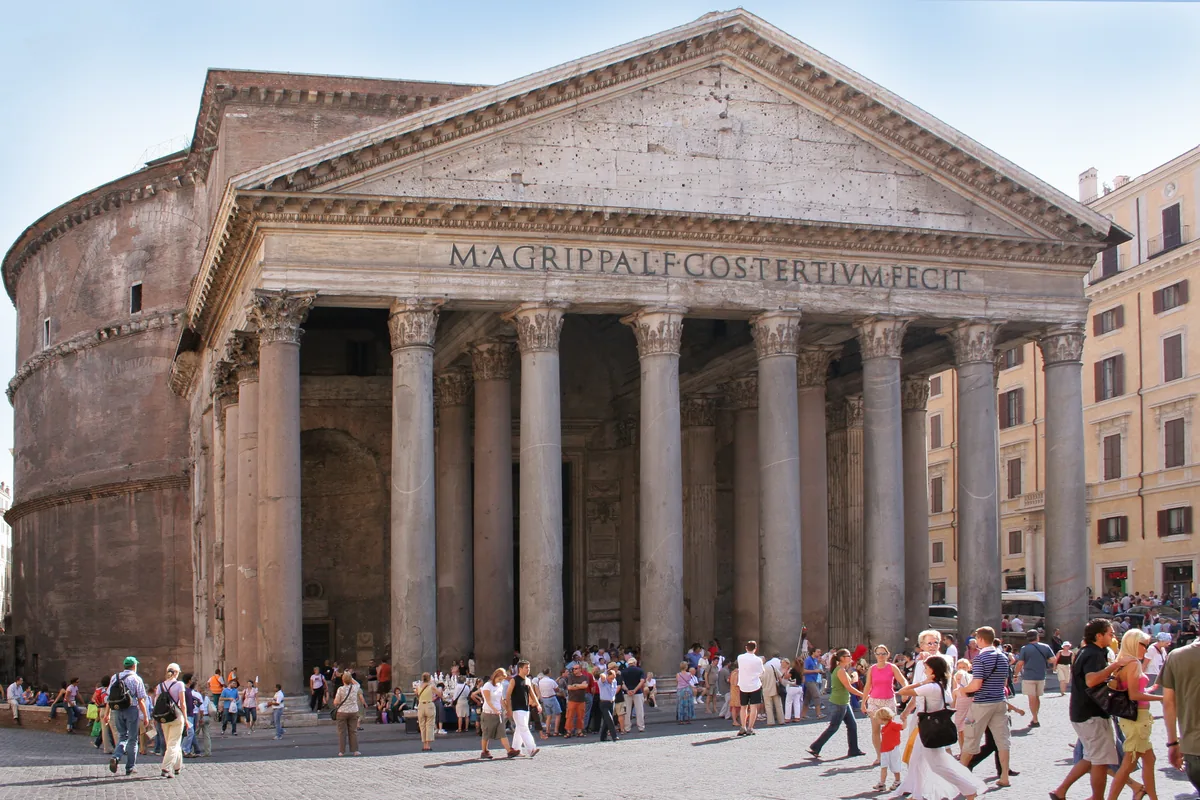
Explore the piazza and the story of one of Rome’s best-known ancient buildings.
Explore related tourRead the ruins as the political and ceremonial center of ancient Rome.
Explore related tour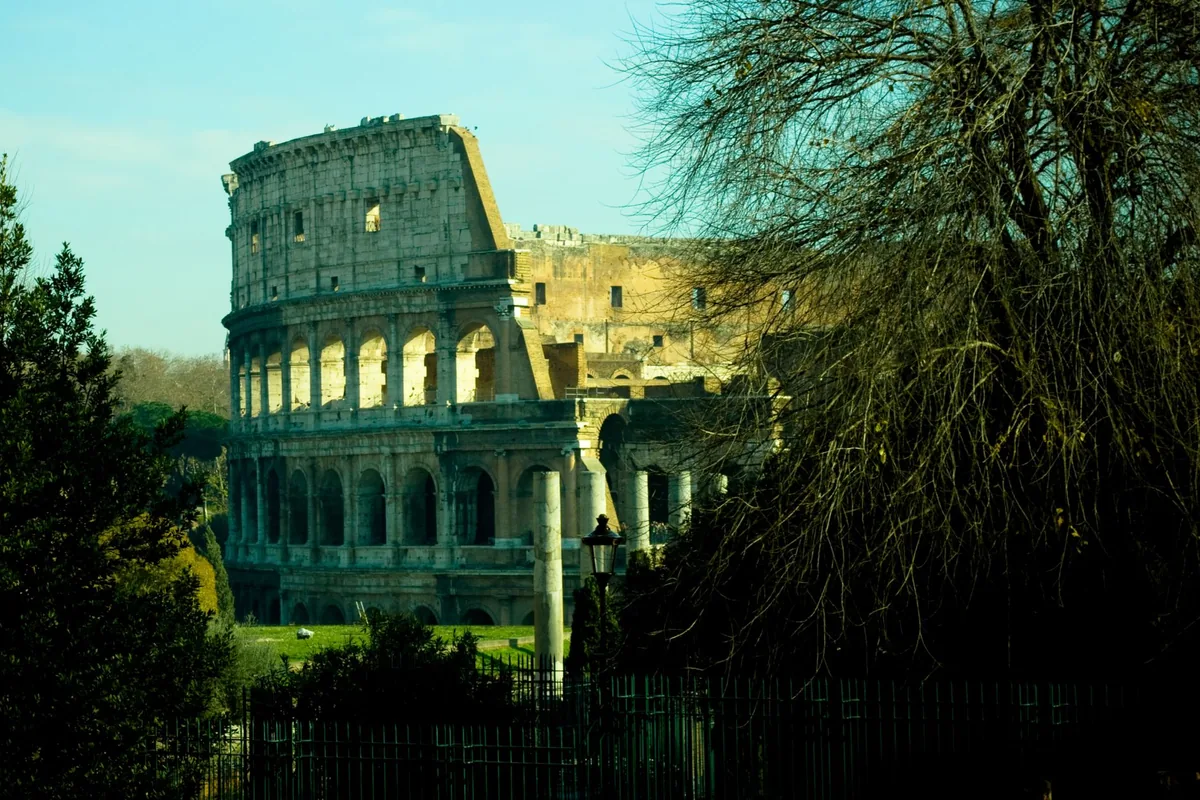
Walk through narrow lanes and discuss the neighborhood beyond the postcard view.
Explore related tourReal reviews from customers who experienced our Colosseum and Vatican tours.
"Our guide Marco made the Colosseum come alive with incredible historical insights. We learned more in 3 hours than we expected. The skip-the-line access saved us so much time!"
"The Vatican Museums tour was absolutely breathtaking. Our guide was knowledgeable and patient, explaining the art and architecture in such an engaging way. We didn't feel rushed at all."
"Best decision ever to book the combined Colosseum & Vatican tour. Seeing both iconic landmarks in one day with a professional guide was seamless and unforgettable. Highly recommend!"
Many guided visits are planned for roughly two and a half to three hours when the Colosseum, Roman Forum and Palatine Hill are combined. The exact duration depends on the selected itinerary, ticket type, group pace and current access conditions. Confirm the actual duration before booking.
A guide can help connect the amphitheatre with the wider story of ancient Rome, explain what survives, and place the Roman Forum and Palatine Hill in context. A self-guided visit may suit travelers who prefer a slower independent pace, while a guided visit can make a limited schedule easier to use.
A typical itinerary may focus on selected galleries in the Vatican Museums and the Sistine Chapel. St. Peter’s Basilica may be discussed or visited when access and the chosen itinerary allow, but entry should never be presented as guaranteed because closures, ceremonies and queues can affect plans.
Book as early as practical when your dates are fixed, especially for spring, summer, school holidays and weekends. Timed-entry availability can be limited. For a last-minute visit, send an inquiry because alternatives may still be possible.
Helpful guides for choosing landmarks, pacing your days and deciding whether a guided experience fits your trip.
A practical guide to route planning, timing, comfort and choosing between an independent or guided visit.
Build a realistic museum route around major galleries, the Sistine Chapel and your own interests.
How to group neighborhoods, leave room for walking and avoid turning a first trip into a checklist.
Share your dates, group size and interests. The form is an inquiry only until a real booking system is connected.