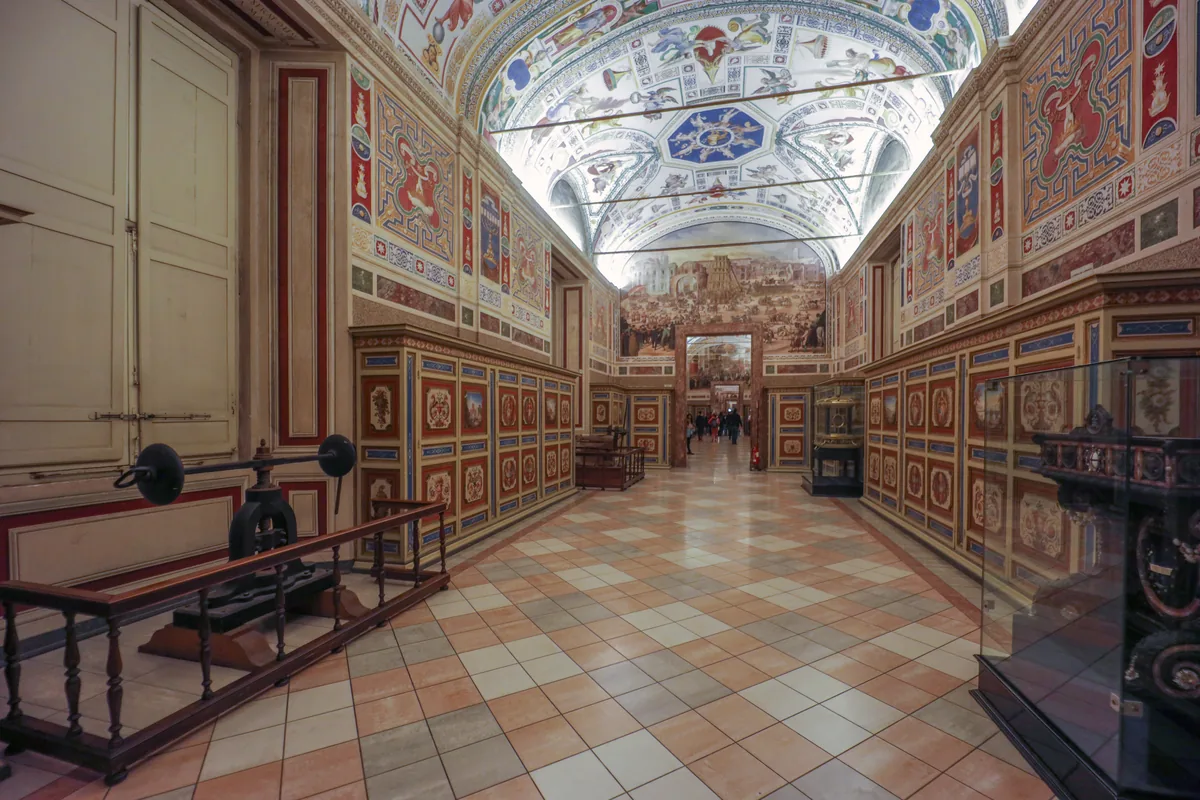
The Vatican Museums reward selection. Their scale makes “seeing everything” an unrealistic goal for most visitors, and rushing toward the Sistine Chapel can reduce extraordinary galleries to crowded corridors. A better plan chooses a few themes, understands the route and saves enough attention for the spaces that matter most to you.
Start With Your Priorities
First-time visitors often want a recognizable overview: classical sculpture, decorated galleries, Raphael’s rooms where available on the chosen route, and the Sistine Chapel. Art-focused travelers may prefer to spend longer with fewer works. Families usually benefit from a shorter route with a clear story and breaks rather than an adult lecture compressed into a busy museum environment.
Before choosing a ticket or tour, decide how much standing and walking the group can comfortably manage. Museum time is not only measured in hours; attention and energy are equally important.
Build a Coherent Museum Route
A guide may draw connections between ancient sculpture, papal collecting, Renaissance patronage, maps, tapestries and the architecture of the galleries. The point is not to recite every label but to show how the collection and the spaces around it were assembled.
Routes can vary because of operations, crowd management and the ticket selected. Treat any sample itinerary as a framework rather than a guarantee of every room. The business should update its published itinerary whenever access arrangements change.
Prepare for the Sistine Chapel
The Sistine Chapel is easier to appreciate when the major scenes and visual structure have been explained in advance. Michelangelo’s ceiling is not one single image; it combines central narratives, figures around the architectural framework and a complex relationship to the chapel below. The Last Judgment occupies a different wall and belongs to a later moment in Michelangelo’s career.
Because the chapel remains a sacred and ceremonial space, current conduct rules should be respected. Guides may need to give explanations before entry. Travelers should be ready to look quietly rather than expect a long spoken lecture inside.
Plan Separately for St. Peter’s Basilica
St. Peter’s Basilica is nearby but operationally distinct from the museum visit. Ceremonies, closures, security queues and route arrangements can affect access. Do not assume it is included simply because a product is called a “Vatican tour.” Ask whether the tour ends at the museums, St. Peter’s Square or the basilica, and what happens if access changes.
Practical Preparation
- Check current official dress and security guidance
- Wear shoes suitable for extended walking and standing
- Confirm the meeting point and entrance procedure
- Carry only permitted items and keep essential documents accessible
- Tell the guide about mobility needs before booking
Food, rest and transport after the visit also matter. Avoid planning another demanding museum immediately afterward unless your group genuinely enjoys long cultural days.
When a Guided Vatican Tour Helps
A guide is most useful when the group wants a selective narrative, not simply fast navigation. Private tours can adapt the pace and emphasis, while small groups can be more economical. Evaluate the exact group size, language, duration, ticket arrangement and planned route before choosing.
See the Vatican tour formats or send a Vatican tour inquiry with your dates and interests.