The best things to do in Rome are not a single ranked list. A balanced first trip combines ancient architecture, Vatican art, Baroque public spaces and at least one period of ordinary street life. The order matters less than giving each area enough time and avoiding a schedule that turns every landmark into a photograph-and-leave stop.
Begin With Ancient Rome
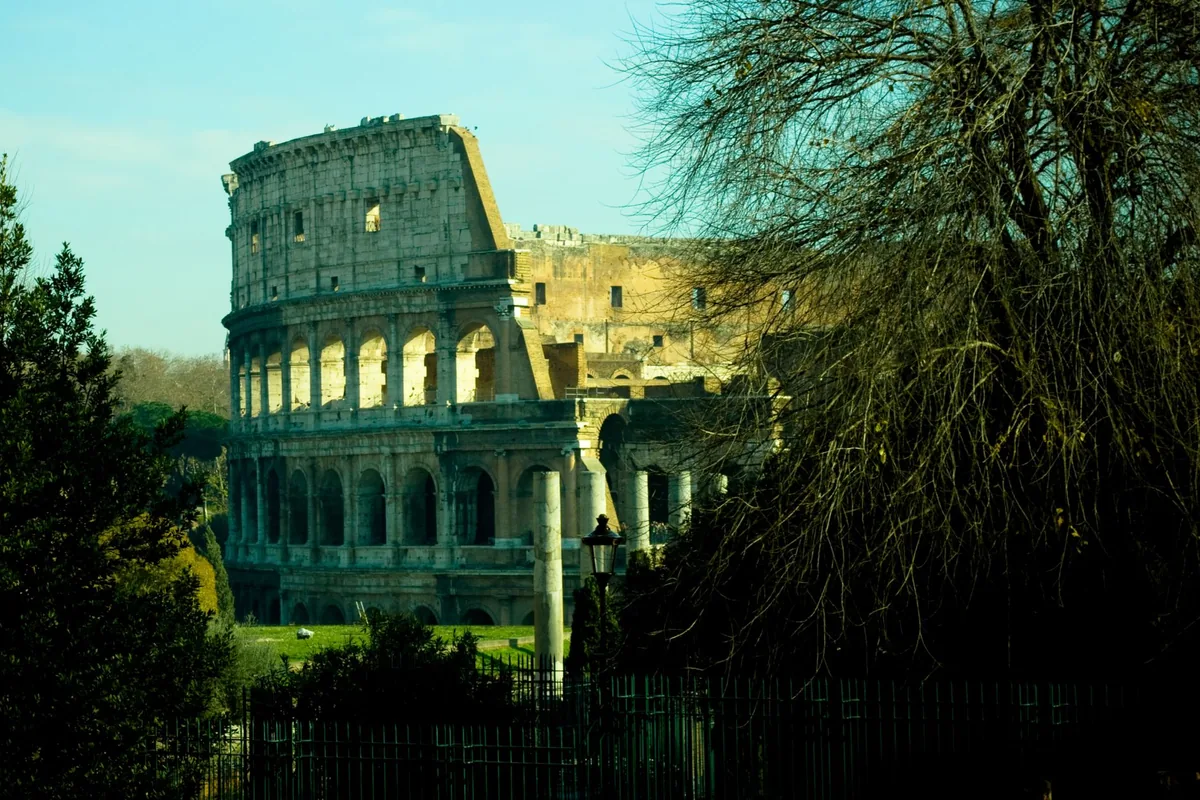
The Colosseum, Roman Forum and Palatine Hill form the strongest introduction to the ancient city. Visit them together when possible, but adjust the depth to your available time and energy. The Colosseum is visually immediate; the Forum often benefits from a guide or careful preparation because the surviving structures need context.
Ancient Rome is physically demanding. Plan for outdoor conditions, uneven surfaces and limited shade. Do not automatically add several distant attractions to the same day.
Choose a Focus at the Vatican
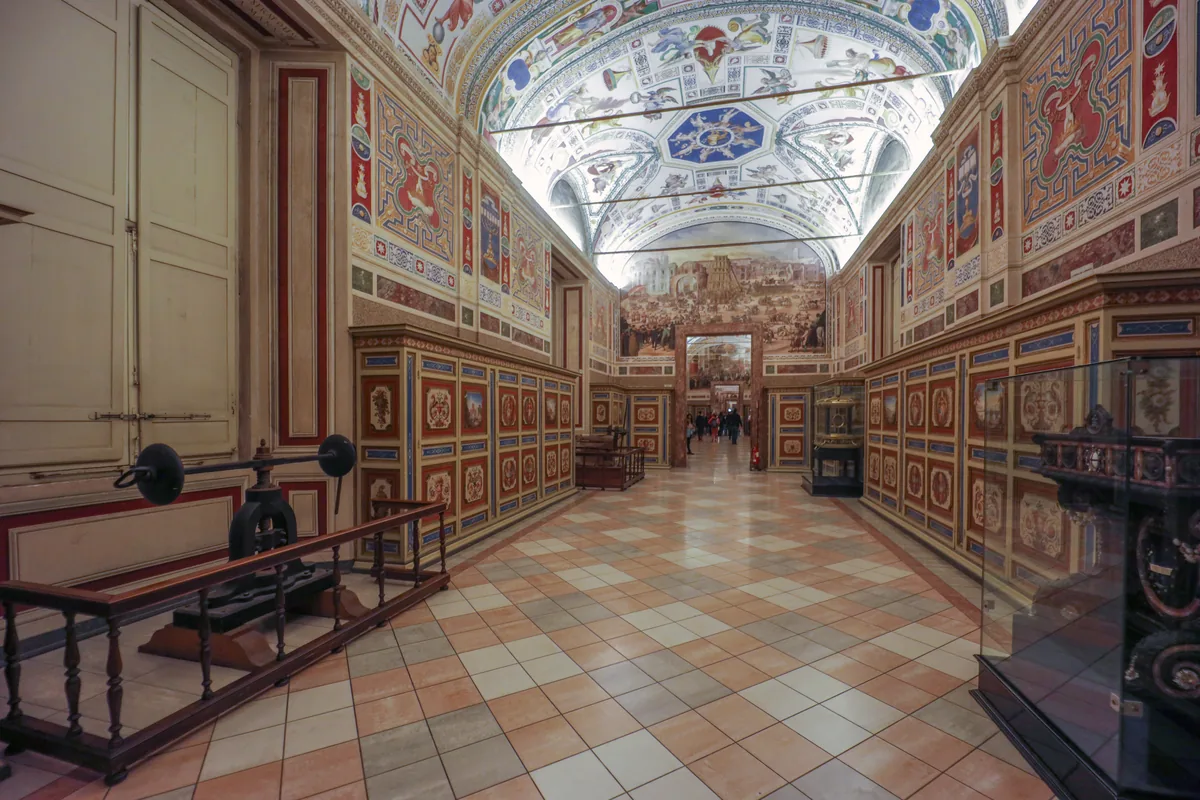
The Vatican Museums contain far more than most travelers can absorb in one visit. Prioritize a coherent route toward the Sistine Chapel, then decide separately how St. Peter’s Square or the basilica fits. Current access conditions and ceremonies can affect the plan, so keep the published itinerary precise and cautious.
Walk the Historic Center
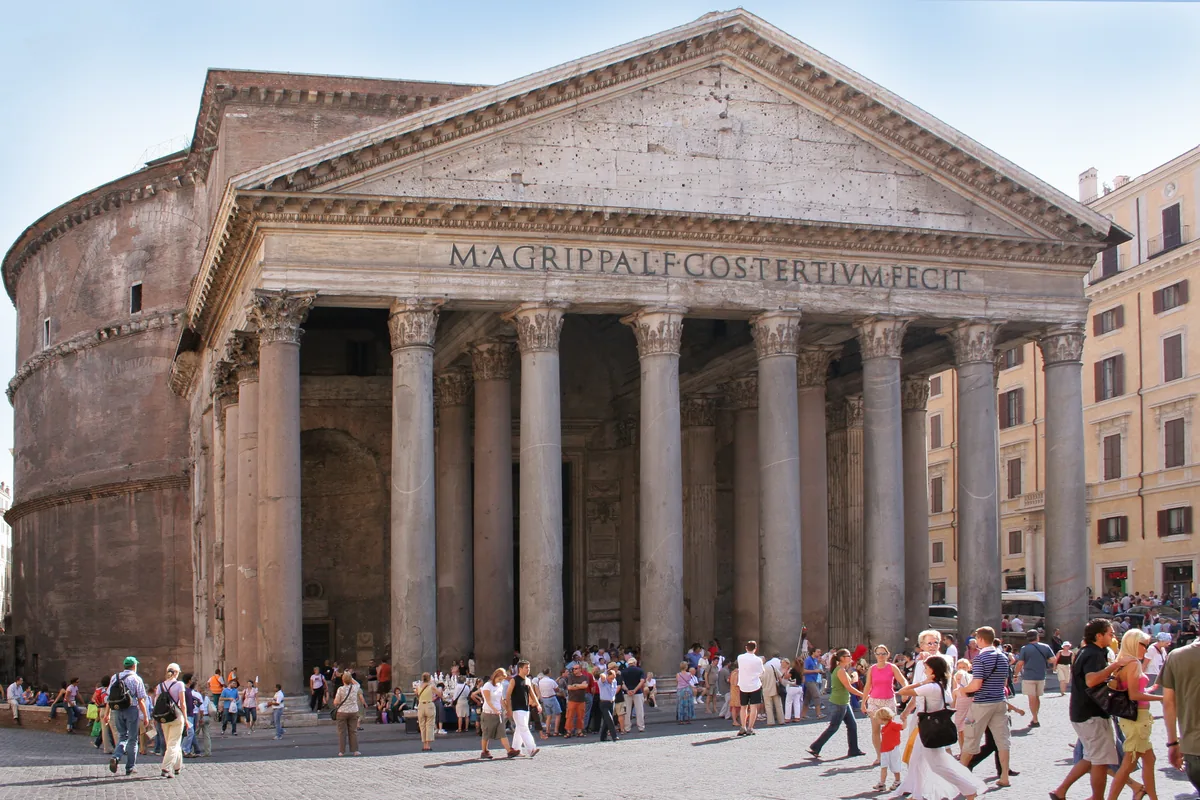
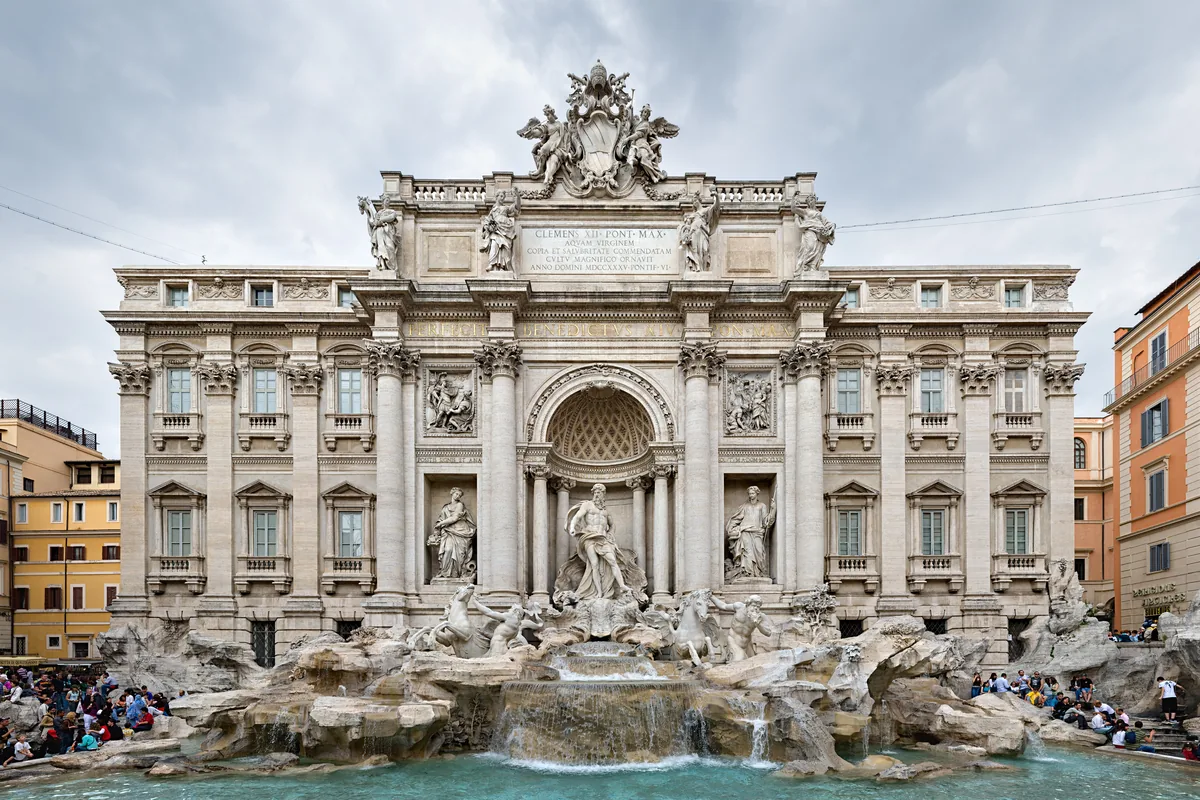
The Pantheon, Piazza Navona, Trevi Fountain and Spanish Steps can be linked on foot, but the value lies in the connections: narrow streets, changing building materials, small churches and the way ancient and Baroque Rome overlap. A walking tour can provide orientation early in the trip; an independent walk can be equally rewarding when time is flexible.
Spend Time in a Neighborhood
Trastevere is widely known, but it should not be treated only as a dining district. Its streets, churches, river connections and residential character deserve attention. Visit respectfully and remember that popular neighborhoods are lived-in places. Depending on the guide’s genuine expertise, other districts may offer an equally useful contrast to the monumental center.
Add One Viewpoint or Quiet Interior
A viewpoint helps visitors understand Rome’s geography, while a quiet church or courtyard creates a different rhythm from major attractions. Choose one that fits naturally into the day rather than crossing the city for a brief stop. The best addition is often close to where you already are.
A Balanced Three-Area Framework
- Ancient Rome period: Colosseum area with enough time for the Forum or Palatine.
- Vatican period: museum route focused on selected collections and the Sistine Chapel.
- Historic-center period: Pantheon, piazzas and fountains connected by a relaxed walk.
Add neighborhood time, meals and rest around this framework according to the number of days. Do not attempt to complete all three periods in one rushed day.
Where a Local Guide Can Help
A guide is useful when interpretation changes what you see. Ancient ruins, large museum collections and layered urban routes are strong candidates. Private formats work well for families, couples and travelers with specific interests; small groups may suit those who prefer a shared experience.
Explore private Rome tours for a custom route or review the Rome walking tours for the historic center and neighborhoods.