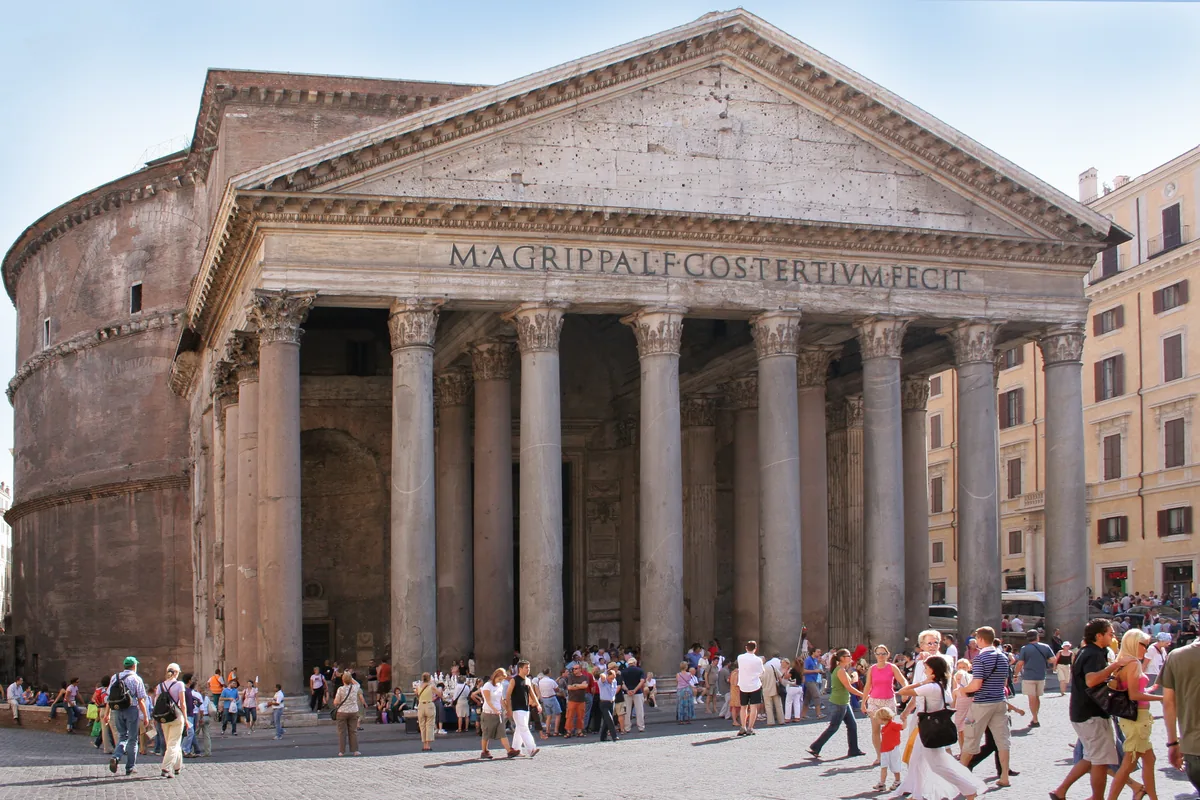
A first trip to Rome can become exhausting when every famous place is treated as urgent. The city is better understood in areas: ancient Rome, the Vatican, the historic center and individual neighborhoods. Grouping nearby sights reduces transport and gives you time to notice the streets, cafés, churches and public spaces between them.
How Many Days Do You Need?
There is no universal number, but a useful first plan gives each major area enough room. A very short visit requires clear priorities. With several days, travelers can separate the Colosseum area from the Vatican and leave at least one period for the historic center or a neighborhood walk. More time creates space for museums, day trips and slower meals rather than simply adding attractions.
Count arrival and departure days honestly. Airport transfers, check-in and luggage can reduce a “four-day trip” to three useful sightseeing days.
Group Sights by Area
| Area | Natural anchors | Planning idea |
|---|---|---|
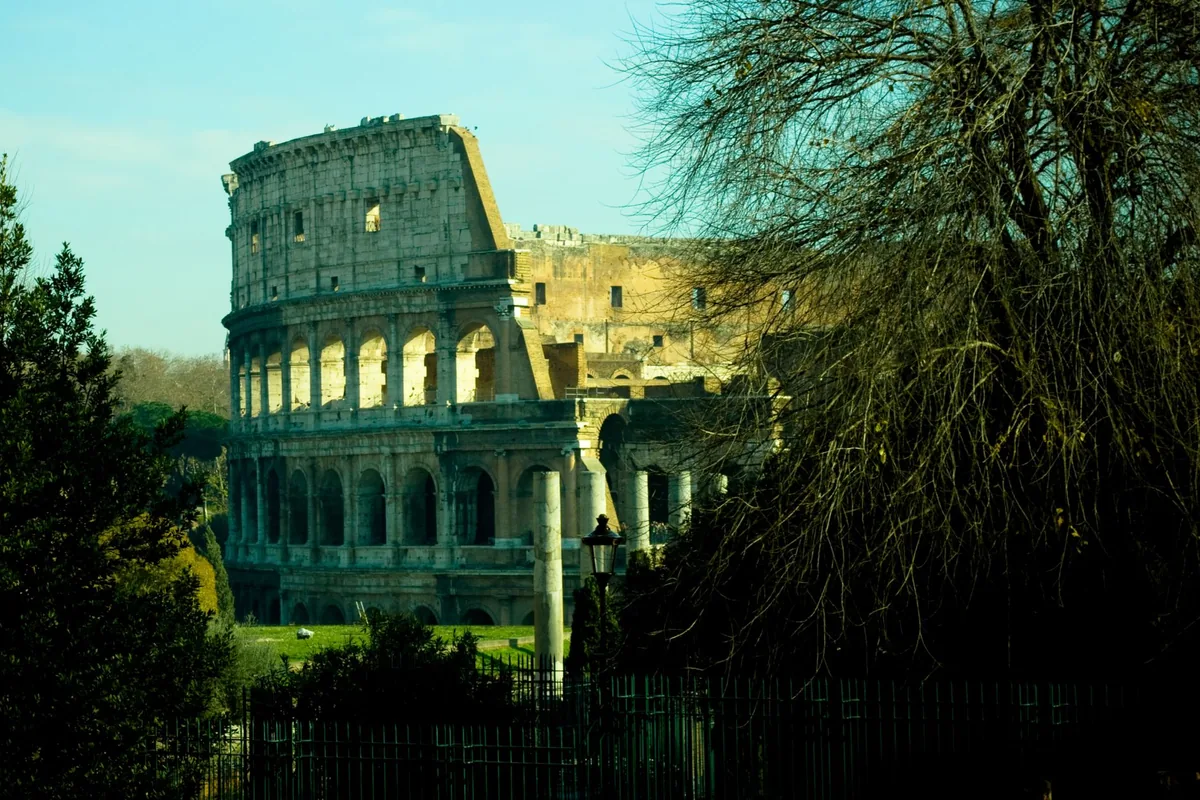
| Ancient Rome | Colosseum, Roman Forum, Palatine Hill | Allow substantial outdoor walking and avoid overloading the same day |
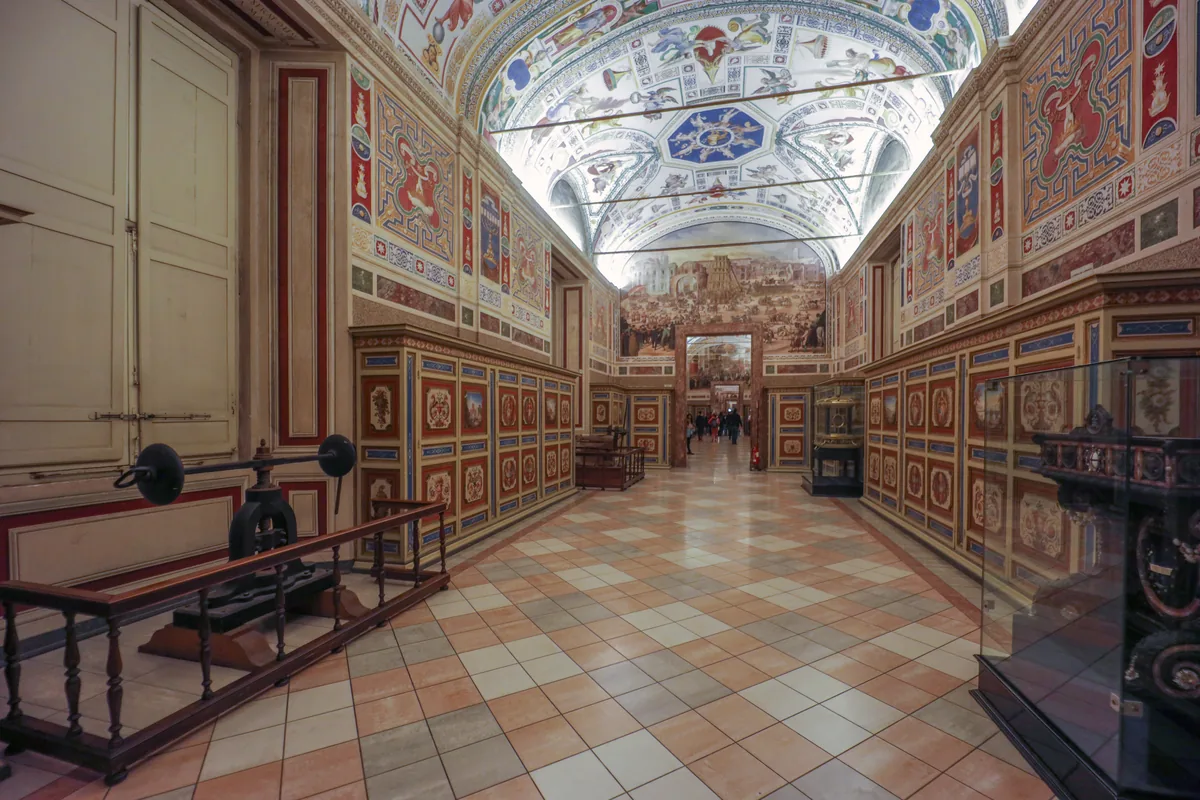
| Vatican area | Vatican Museums, Sistine Chapel, St. Peter’s Square | Confirm timed entry and current access arrangements |
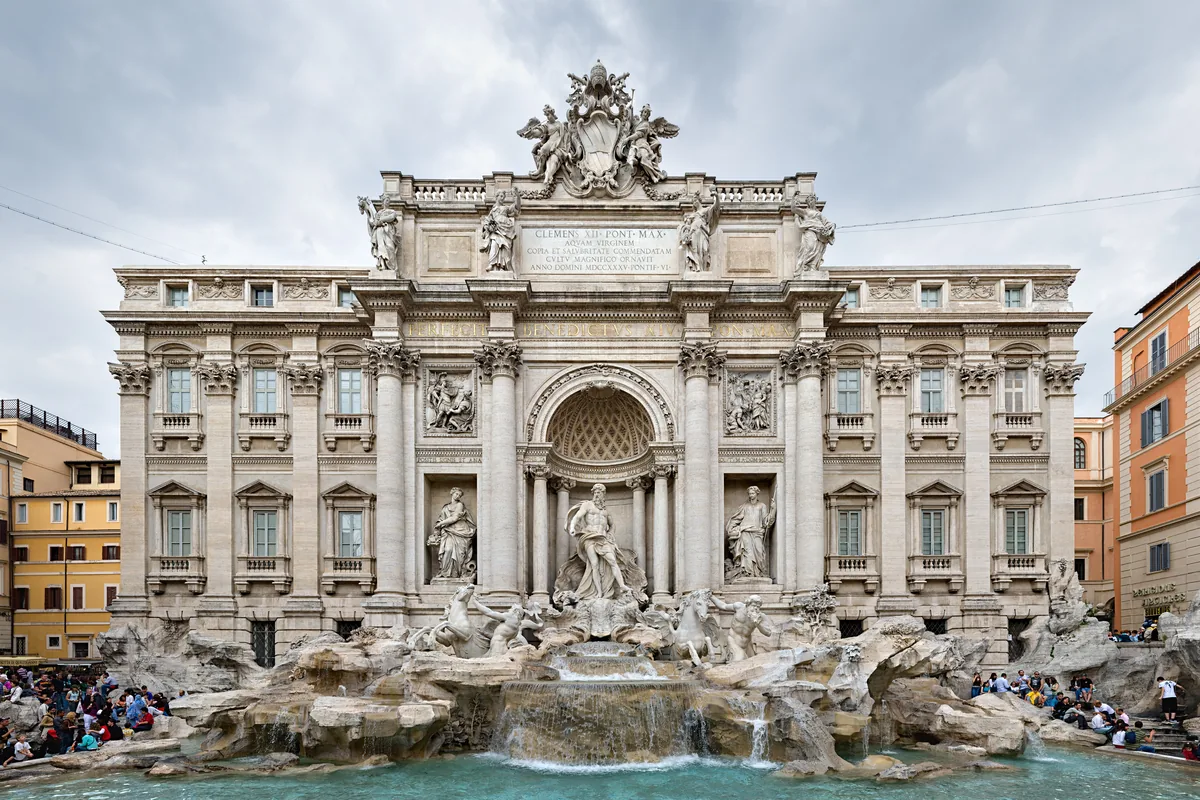
| Historic center | Pantheon, Piazza Navona, Trevi Fountain, Spanish Steps | Connect the sights on foot with breaks and flexible stops |
| Trastevere | Neighborhood streets, churches and river connections | Visit with respect for residential life and avoid reducing it to nightlife alone |
What to Book First
Start with experiences that depend on timed availability, then build flexible walks around them. The Colosseum and Vatican Museums often require more advance planning than public piazzas and fountains. If a guided tour is important, confirm the guide, language, meeting point, ticket process and cancellation terms before arranging the rest of the day.
Opening arrangements can change, so verify current official sources shortly before travel. Save confirmations offline and keep the day’s essential addresses in a format that does not depend on mobile data.
Expect to Walk More Than the Map Suggests
Rome’s center rewards walking, but cobblestones, crowds, crossings, heat and detours affect pace. Use supportive shoes and leave room between reservations. A route that looks short on a map may include stops, photographs and unexpected interiors that are worth the time.
Travelers with mobility needs should research individual entrances and surfaces rather than relying on a general statement that an attraction is accessible. A private guide may help adjust a route, but physical constraints and site operations still apply.
Protect Time for Food and Rest
Do not treat every meal as time lost from sightseeing. A seated lunch, afternoon pause or unplanned coffee can keep the second half of the day enjoyable. Reserve only the meals that truly matter and leave some flexibility for location and energy.
Use Tours Where Context Matters Most
A guide can add the greatest value where the physical evidence is difficult to read or the collection is overwhelming. Ancient Rome and the Vatican are obvious examples. A walking tour can also help first-time visitors understand how the historic center connects. Other periods can remain independent so the trip still feels personal.
Compare Colosseum tours, Vatican tours, private Rome tours and Rome walking tours before sending an inquiry.